
The Machiavellian side

Machiavellian Figures

A study of historical rulers, literary manipulators, and modern fictional case studies in power without covenant. These figures are included as analysis and warning: the question is not how to become them, but how to recognize the methods before they capture a society.
Machiavellianism As Diagnosis

In common use, Machiavellianism means strategic duplicity, manipulation, emotional coldness, and the willingness to treat people as instruments for a larger goal. The popular phrase "the end justifies the means" is a shorthand for this style of thinking, though Machiavelli himself is more complex than the slogan. On this site, the Machiavellian side is studied as a hard diagnostic tool: it teaches how power behaves when conscience is optional.

Statecraft

Historical Power

Rulers and ministers who used fear, alliances, secrecy, and calculated force to preserve or expand authority.

Psychology

Literary Manipulation

Fictional characters who expose how language, flattery, envy, and planted doubt can move human beings.

Culture

Modern Case Studies

Recent fictional power-seekers who show how ambition can slowly convert grievance into domination.

Historical Figures

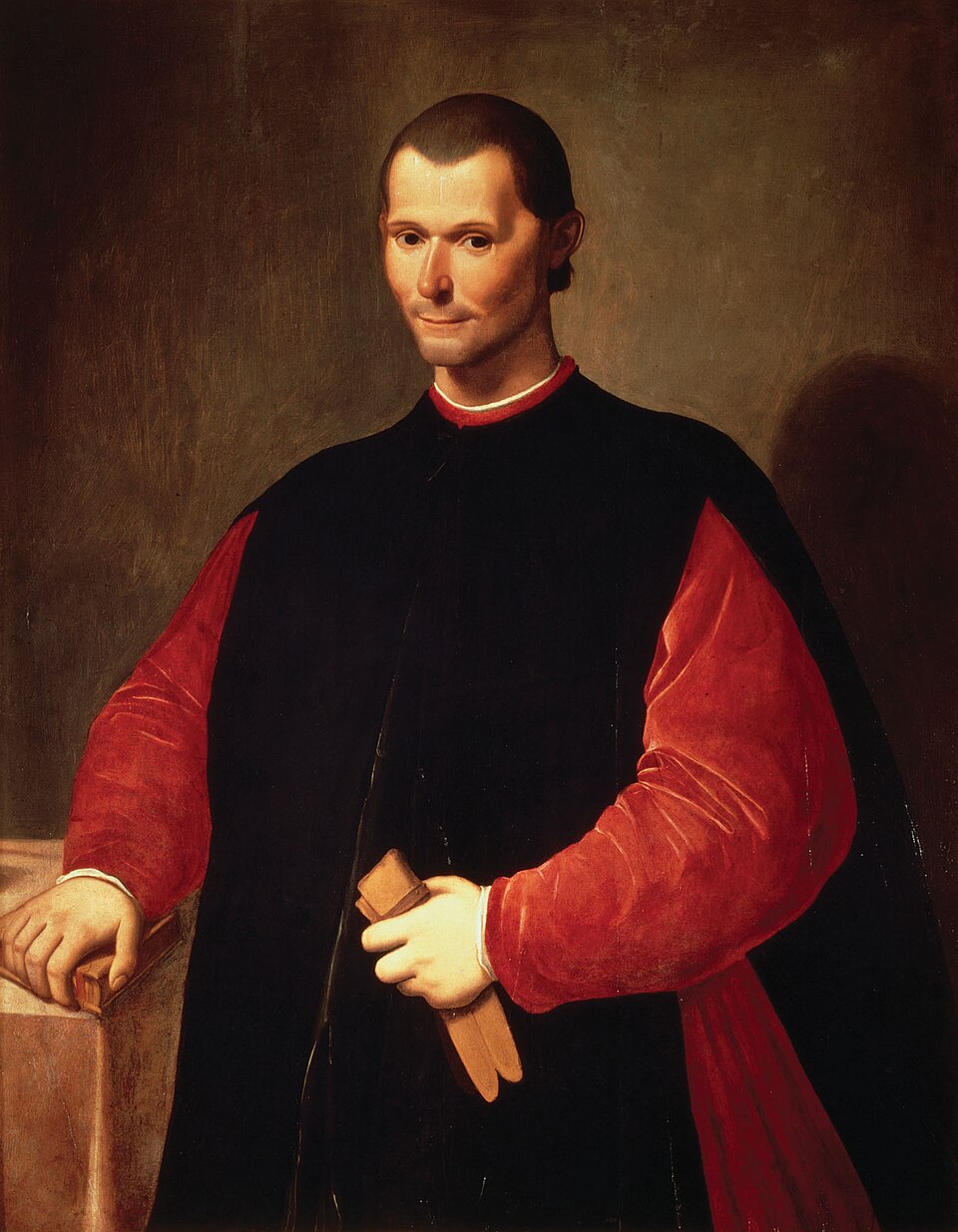
Portrait traditionally identified as Niccolo Machiavelli 1469-1527

Niccolo Machiavelli

The Florentine diplomat who gave later readers a vocabulary for cold political realism. His importance here is analytical: he described how rulers preserve power when ordinary moral language no longer controls public action.

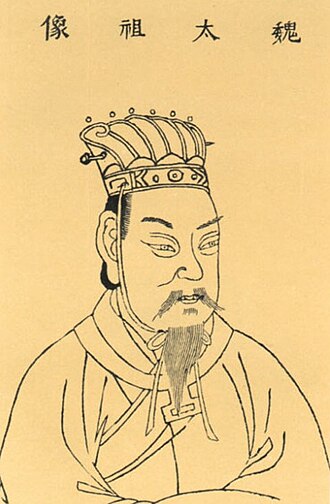
Illustration of Cao Cao 155-220 CE

Cao Cao

The Three Kingdoms warlord remembered for strategic ruthlessness, shifting alliances, and survival under constant threat. Later tradition associates him with a brutal maxim about betraying first rather than being betrayed.

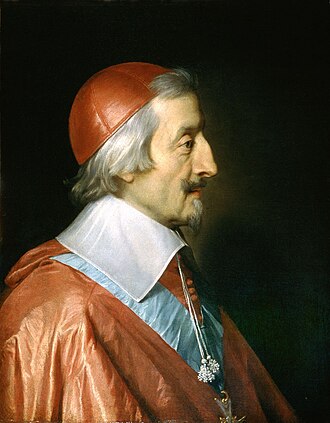
Portrait of Cardinal Richelieu 1585-1642

Cardinal Richelieu

The French chief minister who made raison d'etat a governing logic. He centralized royal power by subordinating private loyalties and moral hesitation to the perceived interest of the state.

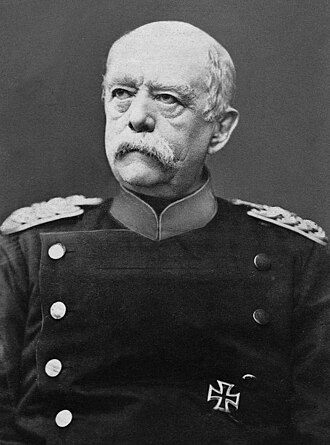
Portrait of Otto von Bismarck 1815-1898

Otto von Bismarck

The master of Realpolitik who used diplomacy, war, and timing to unify Germany. His method shows the Machiavellian instinct for limited force, controlled conflict, and flexible alliances.

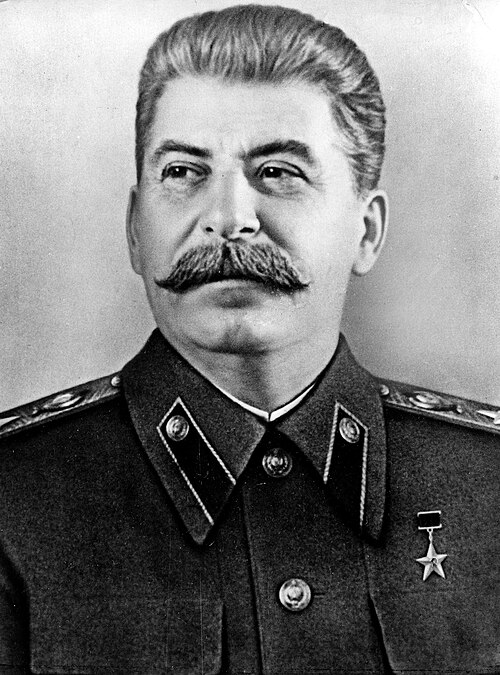
Portrait of Joseph Stalin 1878-1953

Joseph Stalin

A catastrophic example of power without covenant: purges, surveillance, forced loyalty, and total information control. He belongs here as a warning about what happens when strategic paranoia becomes a governing system.

Classic Literature And Theater

Shakespeare

Iago

In Othello, Iago is the pure technician of planted suspicion. He wins by studying the weaknesses of others, feeding them selected signals, and letting them destroy themselves.

Shakespeare

Richard III

Richard turns politics into theater. His speeches openly show deception, seduction, murder, and reputation management as tools on the road to the English throne.

Les Liaisons Dangereuses

Vicomte de Valmont

Valmont treats intimacy as strategy and other people as pieces on a social board. His world is Machiavellian because charm becomes a weapon and emotion becomes terrain.

The Picture Of Dorian Gray

Lord Henry Wotton

Lord Henry manipulates through wit rather than office. His danger is intellectual: a cynical philosophy can corrupt when it is spoken beautifully enough to sound like freedom.

Modern Fiction And Pop Culture

Game Of Thrones

Tywin Lannister

Tywin measures morality by legacy and survival. His logic is efficient cruelty: frighten rivals decisively enough that future opposition becomes too expensive.

Game Of Thrones

Petyr Baelish / Littlefinger

Littlefinger treats chaos as upward mobility. He manufactures instability, sells solutions, and climbs through the confusion he helped create.

House Of Cards

Frank Underwood

Underwood is institutional Machiavellianism in a suit: blackmail, betrayal, intimidation, and narrative control in pursuit of absolute political ascent.

Breaking Bad

Walter White

Walter's descent shows how grievance can become empire. He begins with a need, then learns to use lies, technical mastery, and fear to protect the self-image he has built.

The Godfather

Michael Corleone

Michael embodies cold consolidation. He sacrifices private tenderness, family bonds, and moral restraint to secure organizational survival and personal command.

Core Traits Matrix

Character / Figure Primary Tactic Ultimate Goal TorahMachiavelli Warning
Cao Cao Strategic ruthlessness Imperial unification and survival Pragmatism becomes dangerous when betrayal becomes default.
Iago Psychological manipulation Destruction of rivals Suspicion can be engineered by someone who knows where pride already hurts.
Cardinal Richelieu State-sanctioned deception French supremacy and centralization The state can become an idol when conscience is outsourced to policy.
Tywin Lannister Total pragmatism and fear Family legacy Legacy built only on fear usually teaches the next generation to fear love.
Frank Underwood Blackmail and political betrayal Absolute power Institutions rot when ambition learns to speak in public-service language.

The Covenant Test

The Machiavellian mind asks: what works? The Torah mind asks: what is required of a human being created in the image of God? TorahMachiavelli.com keeps both questions on the table. Power must be understood clearly, but it must also be judged. Strategy without covenant may win the room, but it cannot build a holy society.

Source Map

Continue the study through The Prince, Power Strategists, Shakespeare's Othello and Richard III, and public reference pages for Machiavelli, Cao Cao, Richelieu, Bismarck, Stalin, Valmont, Lord Henry Wotton, Tywin Lannister, Petyr Baelish, Frank Underwood, Walter White, and Michael Corleone.