

Shadow institutions
Mafia History
Organized crime is the dark mirror of statecraft: loyalty, fear, favors, punishment, silence, reputation, and protection operating outside covenant and outside lawful judgment.
Enforced Follow Through KINDNESS ISN'T OUR WEAKNESS תיקון עולםTikkun Olam Repairing The World
Shadow institutions
Organized crime is the dark mirror of statecraft: loyalty, fear, favors, punishment, silence, reputation, and protection operating outside covenant and outside lawful judgment.
This page is not an ethnic accusation and not a romance of crime. Every community named here contains vastly more honest builders than criminals. The point is institutional: when official law is weak, corrupt, or distrusted, shadow orders can imitate government through protection, debt, fear, family, and reputation.
That makes organized crime relevant to TorahMachiavelli.com. It shows what happens when Machiavellian discipline detaches from covenant. Follow through remains, but justice is replaced by private interest. Loyalty remains, but it is narrowed into silence and control.
The Sicilian mafia grew where private protection, weak institutions, land power, and codes of silence could harden into a parallel authority.
Italian-American families adapted old-world codes to American cities, prohibition markets, unions, gambling, construction, and political corruption.
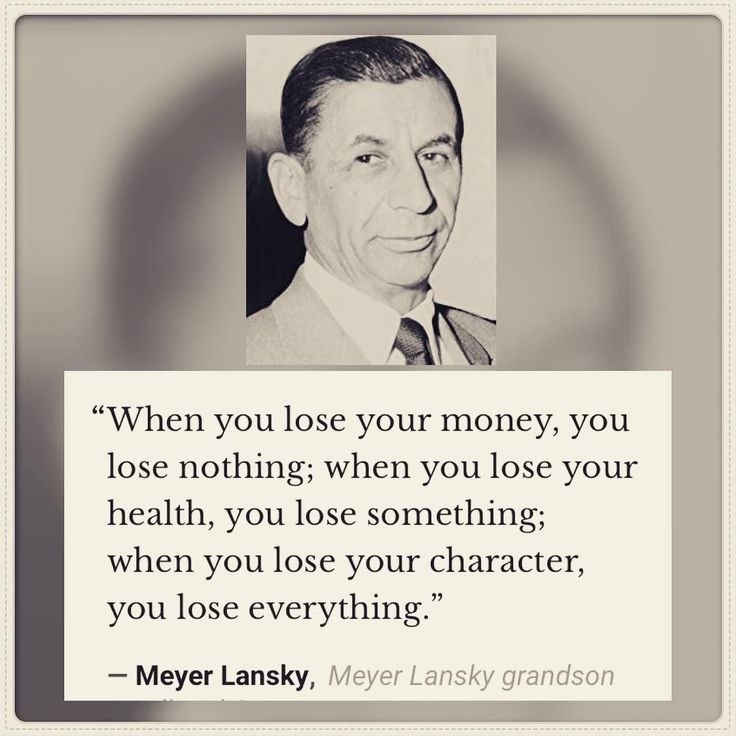
Figures like Meyer Lansky show the strategic side of illicit power: accounting, alliances, gambling, diplomacy, and reputation inside a broader criminal economy.
Irish criminal networks often emerged around waterfronts, wards, labor, politics, and neighborhood protection, blurring the line between local power and violence.
Policy rackets, numbers games, prison networks, and street organizations reveal how exclusion and underground markets can produce alternative power structures.
Chinese tongs and triads show the power of diaspora networks, mutual aid, extortion, secrecy, hierarchy, and transnational enforcement.
Modern cartels and global networks operate like violent corporations, using logistics, finance, corruption, fear, and border-crossing scale.
The underworld proves that discipline without righteousness can still build order. The question is whether that order protects human dignity or feeds on it.
These figures and organizations are included as case studies, not heroes. Each one shows a different instrument of shadow power: finance, fear, alliances, reputation, labor, politics, secrecy, logistics, or the attempt to turn illicit strength into public legitimacy.

Rothstein is a study in how money can professionalize shadow power: gambling, credit, connections, and an almost banker-like approach to risk.
Open profile
Luciano is the case of underworld order: less feud, more commission, less local chaos, more national coordination.
Open profile
Siegel is the page where underworld money tries to become glamour: casinos, desert myth, celebrity, and catastrophic exposure.
Open profile
Gambino is a study in patience, discretion, relationship management, and the strange power of not needing to look powerful.
Open profile
Torrio is the organizer: territory, hierarchy, political cover, succession, and the business mind applied to illicit power.
Open profile
Capone is the obvious spectacle: public fear, press attention, prohibition money, and the cost of becoming too visible.
Open profile
Cohen sits at the crossing of Los Angeles crime, media attention, boxing, gambling, and the performance of toughness.
Open profile
Kennedy is treated here cautiously: not as a proven mob figure, but as a boundary case about rumor, wealth, legitimacy, and public memory.
Open profile
Costello is the quieter face of underworld influence: gambling, relationships, political access, and power that prefers a closed door.
Open profile
Genovese is the ambition profile: the drive for command, the use of force, and the enemies that gather around excessive appetite.
Open profile
Profaci is a study in old-world identity, family rule, legitimate business fronts, religious image, and the politics of belonging.
Open profile
Castellano is the boardroom profile: construction, unions, white-collar profit, distance from the street, and brittle legitimacy.
Open profile
Dellacroce is the old-guard profile: loyalty, fear, credibility, and the street code that corporate command cannot easily replace.
Open profile
Sun Yee On is included as an organizational profile: hierarchy, secrecy, diaspora reach, identity, and enforcement at scale.
Open profile
Salerno is the profile of fronts, labor leverage, construction money, gambling, and the appearance of command.
Open profile
Lucas is the logistics profile: direct sourcing claims, street-market branding, violence, and the corporate shape of illicit distribution.
Open profileA society must be strong enough that people do not need private tyrants for safety. Torah supplies the demand for justice. Machiavelli supplies the warning that justice without power cannot protect itself.
Mafia history belongs here as the negative case study: enforcement without covenant, loyalty without justice, courage without mercy, and intelligence without character.