

Machiavellian side
Power Strategists
This page studies force, reputation, statecraft, fear, order, and ambition. It is a gallery of lessons, not endorsements.
Enforced Follow Through KINDNESS ISN'T OUR WEAKNESS תיקון עולםTikkun Olam Repairing The World
Machiavellian side
This page studies force, reputation, statecraft, fear, order, and ambition. It is a gallery of lessons, not endorsements.
Machiavelli is useful because he refuses to pretend that public order runs on wishes. Rulers use image, fear, reward, law, violence, timing, alliances, and institutions. The question is whether those tools serve a higher order or devour it.
Some figures below are builders, some are conquerors, and some are warnings. Their presence here does not make them moral models. It asks what can be learned from power when covenant is absent, weak, or deliberately rejected.
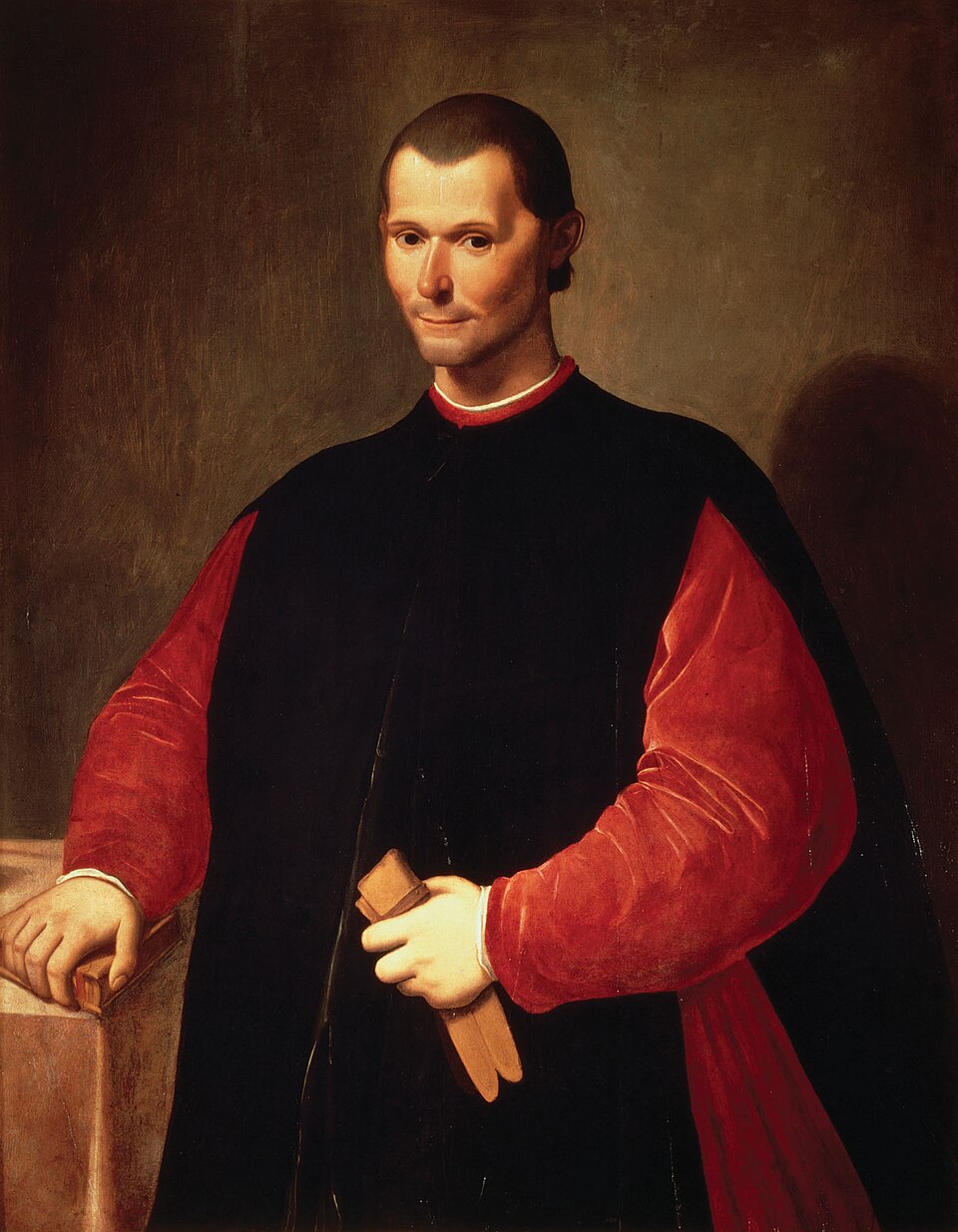
Historical rulers, literary manipulators, and modern fictional case studies in duplicity, strategy, and power without covenant.
Open study
Hammurabi is the law-and-rulecraft profile: public order made visible, memorable, and enforceable.
Open profile
Cyrus is the legitimacy profile: conquest joined to selective tolerance, restoration, and cheaper forms of rule.
Open profile
The Pharaohs are the spectacle profile: sacred image, monument, labor, centralized command, and the warning of bondage.
Open profile
Alexander is the momentum profile: audacity, battlefield genius, symbolic fusion, and conquest faster than institutions can mature.
Open profile
Genghis Khan is the mobility profile: tribal fracture turned into disciplined conquest, intelligence networks, speed, and reputation.
Open profile
Caesar and Augustus are the transition profile: crisis, civil war, image, clemency, and the rebuilding of order around one house.
Open profile
Qin Shi Huang is the severity profile: standardization, centralization, infrastructure, and terrifying administrative force.
Open profile
Cesare Borgia is the hard case: decisive violence, delegated cruelty, theatrical justice, and fear converted into order.
Open profile
Richelieu is the reason-of-state profile: disciplining nobles, balancing enemies, and subordinating sentiment to state interest.
Open profile
Napoleon is the revolutionary organizer: merit, law, myth, speed, military command, and the warning of overreach.
Open profile
Bismarck is the restraint profile: timing, limited wars, alliances, and knowing when not to spend force.
Open profile
Kissinger is the modern realism profile: diplomacy as leverage, stability under pressure, and the permanent argument over moral cost.
Open profile
Totalitarian rulers are the boundary profile: propaganda, surveillance, terror, and technique severed from covenant.
Open profileThe useful lesson is not "be cruel." It is this: power is real, and denial of power leaves the righteous unprotected. But power without covenant becomes an idol. TorahMachiavelli.com studies both facts at once.
These figures expose the instruments of rule: image, timing, enforcement, fear, law, alliance, and crisis. The covenantal task is to learn the instrument without becoming possessed by it.