

Rabbinic chain of command
Rabbis Library
A working index of rabbinic leadership across Jewish history: law, commentary, mysticism, philosophy, survival strategy, and the institutions that keep Torah alive under pressure.
Enforced Follow Through KINDNESS ISN'T OUR WEAKNESS תיקון עולםTikkun Olam Repairing The World
Rabbinic chain of command
A working index of rabbinic leadership across Jewish history: law, commentary, mysticism, philosophy, survival strategy, and the institutions that keep Torah alive under pressure.
The title of greatest rabbi is not a trophy with one winner. Jewish history is too long, too wounded, and too intellectually alive for that. Greatness here means changing the operating system: how Jews read, decide law, pray, survive exile, rebuild institutions, and carry moral power into public life.
The figures below are grouped by era because each age demanded a different kind of greatness: preserving oral Torah, explaining text, codifying law, renewing spirit, defending faith, rebuilding communities, and responding to modern power.
 c. 110 BCE-10 CE
Humility, compassion, and legal creativity. His ethical test asks whether power can become decent enough to protect the person standing across from it.
Source image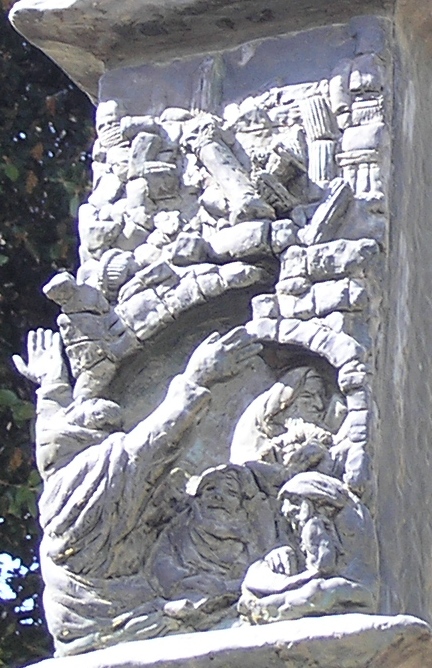 c. 30-90 CE
The survival strategist after Jerusalem fell. Yavneh turned Judaism from a Temple-centered system into a portable civilization of prayer, study, and law.
Source image c. 50-135 CE
The late-start master of method, martyrdom, and transmission. Akiva makes every letter matter and turns Torah into resistance under empire.
Source image 135-217 CE
The redactor of the Mishnah. His work made oral law durable enough to survive dispersion, argument, and time.
Source image 1040-1105
The indispensable commentator. Rashi gives the student enough light to enter Torah and Talmud without drowning in the sea.
Source image 1138-1204
Legal codifier, philosopher, physician, and system-builder. Mishneh Torah and Guide for the Perplexed made law and reason speak at imperial scale.
Source image 1194-1270
Commentator, mystic, and defender of Jewish faith. Ramban joins text, Kabbalah, public courage, and the rebuilding of Jerusalem.
Source image 1488-1575
Author of the Shulchan Aruch, the table on which later halakhic life is set. He turns law into daily navigable order.
Source image 1534-1572
The Safed mystic whose system reshaped Jewish imagination around creation, exile, repair, prayer, and the soul.
Source image 1698-1760
Founder of Hasidism. He made joy, sincerity, prayer, and love of ordinary Jews into spiritual power.
Source image 1720-1797
A towering mind of Torah and science, and a central force behind the Lithuanian yeshiva ideal of disciplined learning.
Source image 1902-1994
The Lubavitcher Rebbe transformed post-Holocaust Chabad into a global network of education, outreach, action, and Jewish confidence.
Source image 1903-1993
The Rav gave Modern Orthodoxy an intellectual grammar: rigorous Talmud, Western philosophy, covenant, loneliness, and responsibility.
Source image 1907-1972
A theologian of awe and moral urgency, remembered for joining prophetic Judaism to civil rights and public conscience.
Source imageThis index imports the names currently represented in Wikipedia's dynamic List of rabbis and groups them by the source page's historical and denominational sections. It is a working archive, not a final claim that every rabbi in history has been captured.
740 visible of 740 indexed rabbis.
The full index is sourced from Wikipedia's public List of rabbis, which identifies itself as a dynamic list. The featured era section is an editorial TorahMachiavelli.com framing of rabbinic influence across the Talmudic, medieval, early modern, mystical, and modern eras.
The featured-card images are drawn from Wikimedia Commons or related public-source Wikimedia files when available. Some ancient and medieval figures do not have authentic portraits, so their cards use later artwork, associated sites, inscriptions, stamps, or documentary images and label them through source links.


